くらべてわかる日本語表現文型辞典
Meaning
意味1:知ってはいたが、忘れてしまったり不確かなAを「~かなぁ」と確認する言い方。
意味2:そういうこともあったなぁと昔を懐かしんだり、過去を回想する表現。
How to use it
Aっけ
接続1:
[動詞]+んだ+(った)+っけ
[動詞-た形]っけ
[イ形-い/くない]+んだ+(った)+っけ
[イ形-かった]+(んだ)+っけ
[ナ形-だった/だ]っけ
[名詞-だ/だった]っけ
接続2:
[動詞-た形]っけ
Explanation
【対比2】
「Aものだ」(意味1 P.308)
置き換え可能。「Aものだ」より「Aっけ」のほうがくだけた表現。
Notes
【注意1】
・「だっけ」「だったっけ」は意味が同じ。
・動詞につく場合、その動詞が「ル形」か「タ形」かで、過去の出来事か否かを表す。
【注意2】
・「タ形っけ」の形で、「~たよねえ」の意味。
In context 8 examples
これ、君のだったっけ。
テストはいつからだっけ。
あれ、これぼくが払うんだっけ。
毎月、携帯電話の請求書を見て、「こんなに使ったけ」と思う。
小学生の頃、二人で手をつないで、この道を通ったっけ。
ここに大きな赤い屋根の家が建っていたっけ。
学校をさぼってよくみんなで映画を見にいったっけ。
あの日も今日のように雨が降っていたっけ。
DoJG 日本語文法辞典(全集)
How to use it
(i) {V/Adjective い}informal nonpast | んだっけ | |
| {話す/美味しい}んだっけ | Does someone talk?/Is something delicious? |
(ii) {V/Adjective い}informal past | (んだ) っけ | |
| {話した/美味しかった}(んだ) っけ | Did someone talk?/Was something delicious? |
(iii) {Adjective なstem/Noun/Wh-word} | (なん)だっけ | |
| {元気/学生}(なん)だっけ | Is someone healthy/a student? |
| {なん/誰/どこ/いつ}(なん)だっけ | What/who/where/when is it? |
(iv) {Adjectiveなstem/Noun/Wh-word} | だった(んだ) っけ | |
| {元気/学生}だった(んだ) っけ | Was/is someone healthy/a student? |
| {なん/誰/どこ/いつ}だった(んだ) っけ | What/who/where/when was/is it? |
Explanation
A colloquial sentence final particle marking a question.
In context 9 examples
鈴木さんは英語が話せるんだっけ。
Can you speak English, Mr. Suzuki? / Can Mr. Suzuki speak English?
鈴木さんは英語が話せた(んだ)っけ。
Can you speak English, Mr. Suzuki? / Can Mr. Suzuki speak English?
今日は木曜日だ(った)っけ。
Is today Thursday?
ジェーンさんはピアノが弾けた(んだ)っけ。
Can you play the piano, Jane? / Can Jane play the piano?
パーティーは何時に始まるんだっけ。
When does the party start?
スミスさんはワシントン大学の学生だったっけ。
Are (Were) you a University of Washington student, Ms. Smith? / Is (Was) Ms. Smith a University of Washington student?
僕が子供の頃はこの辺は林だったっけ。
When I was a kid this area used to be a forest.
この映画、面白いんだっけ。
Is this movie interesting?
あの人って、正直なんだっけ。
Is he an honest person?
日本語文型辞典
Meaning
基本情報N/Na だ(った)っけA-かったっけV-たっけ…んだ(った)っけ説明はっきり記憶していないことを確認するのに使う。⑥のように自分に確認するような気分で独り言を言うときにも使う。くだけた話しことば。丁寧体は「N/Naでしたっけ」「V-ましたっけ」「…んでしたっけ」となるが、「A-かったですっけ」という形はない。話しことば。例文① あの人、鈴木さんだ(った)っけ?② 君、これ嫌いだ(った)っけ?③ この前の日曜日、寒かったっけ?④ もう手紙出したっけ?⑤ 明日田中さんも来るんだっけ?⑥ しまった!今日は宿題を提出する日じゃなかったっけ。
絵でわかる日本語
Usage 1
Read this source entry ↗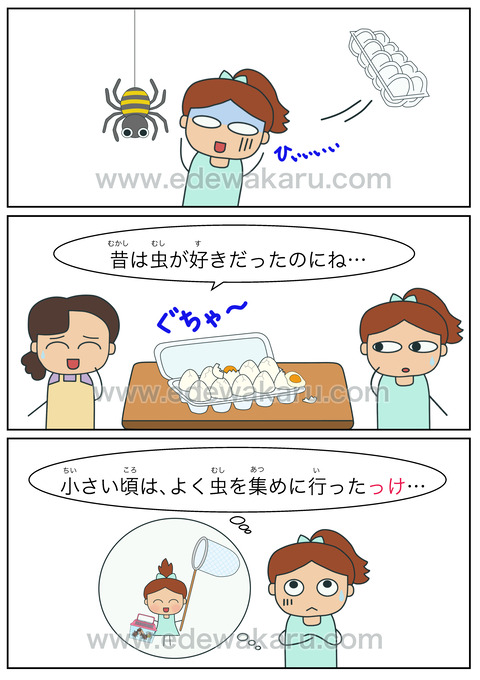
Meaning
よく〜したなぁ
How to use it
動詞・い形容詞[た形]+っけ
な形容詞・名詞[ーだ]+っけ
な形容詞・名詞[ーだった]+っけ
Explanation
「〜っけ」は【過去の回想】を表す文型で、「よく〜したな…」という意味で使われます。過去によくしたことを「なつかしいな…」と思い出している時に使います。【
過去の回想】を表す「〜たものだ」とほとんど同じ意味です
ので一緒に覚えておきましょう😉
[例]
小学生の時は、いつも妹とケンカしてい
たっけ
…
=小学生の時は、いつも妹をケンカしてい
たものだ
「〜っけ」には【確認・質問】を表す用法もありますので、復習をしておきましょう😊
In context 5 examples
小さい頃は、よく虫を集めに行ったっけ…
→小さい頃は、よく虫を集めに行ったな…小学生(しょうがくせい)の時は、いつも妹とケンカしていたっけ…
→小学生の時は、よく妹とケンカしたな…東京に住んでいた時は、よくディズニーランドに行ったっけ…
→東京に住んでいた時は、よくディズニーランどに行ったな…若い頃は、よくカラオケでオールしたっけ
→若い頃は、よくカラオケでオールしたな〜子供が生まれる前は、よく海外旅行(かいがいりょこう)をしたっけ
→子供が生まれる前は、よく海外旅行をしたな…
Usage 2
Read this source entry ↗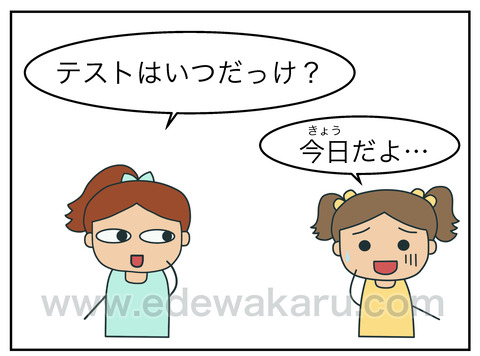
Meaning
1 相手に確認・質問
2 自分の心に問いかける・独り言を言う
1 相手に確認・質問をする
How to use it
動詞・い形容詞[た形]+っけ
な形容詞・名詞[ーだ]+っけ
な形容詞・名詞[ーだった]+っけ
Explanation
「〜っけ」ははっきり覚えていないことを確認する場合に使われる文型です。1のように相手に確認する場合、2のように自分に確認する場合、どちらにも使用できます😊自分に確認する場合は独り言を言っている場合ですね😉相手に確認する場合は最後を上げて言い、自分に確認する場合は最後を下げて言うときれいに聞こえます😀
[例]
・相手に確認する場合
A:テストはいつ
だっけ?(
っけ↑)
B:今日だよ…
・自分に確認する場合
テストはいつ
だっけ
…(
っけ↓)
【補足説明】
「〜っけ」には丁寧形もあります
ので、仲がいい先輩や先生に使うことも可能です😊
[例]
テストはいつ受けるんだっけ? →テストはいつ受ける
んでしたっけ?
あの人の名前は山田さん
だっけ?→あの人の名前は山田さん
でしたっけ?
彼は昨日、会社を休ん
だっけ?→彼は昨日、会社を休み
ましたっけ?
丁寧形は「〜でしたっけ」「〜ましたっけ」「〜んでしたっけ」と覚えておけばOKです
😉「〜っけ」には【過去の回想】を表す用法もありますので、復習をしておきましょう。
In context 3 examples
A:テストはいつだっけ?→テストはいつか覚えている?B:今日だよ…
A:あの人の名前は山田さんだっけ?→あの人の名前は山田さん?B:そうだよ〜
夫:今日の昼は何を食べたっけ?→今日の昼は何を食べたか覚えている?妻:ラーメンよ2 自分の心に問いかける・独り言を言う
どんなときどう使う 日本語表現文型辞典
Meaning
what was that?/was it…?
How to use it
〔普通形〕(「~ましたっけ・~でしたっけ」もある)+っけS
Explanation
~?/~だった?
B:8番じゃない?
姉:キヘンに決まってるでしょ。
B:時間的に無理だというんで除かれたんだよ。
はっきりしないことに対する疑問の気持ちを持って相手に念を押したり、確かめたりする言い方。
Draws attention to or confirms speaker's uncertainty about some event when speaking to someone.
In context 3 examples
A:英語の試験は5番教室だっけ。
弟:「ケン討する」の「ケン」は、キヘンだっけ、ニンベンだっけ。
A:今度の研修旅行には、工場見学も日程に入っていましたっけ。
日本語NET JLPT文法解説まとめ
Meaning
でしたか?
話し手が思い出せないことを相手に、聞く表現。独り言でも使うことがある。
How to use it
V(普通形) + っけ
イA(普通形) + っけ
ナA(普通形) + っけ
N(普通形) + っけ
「〜ましたっけ」や「〜でしたっけ」という言い方もある。
Explanation
Used to confirm something the speaker can't remember. This is also used when the speaker talk to oneself.
「Nだっけ」と「Nだったっけ」は同じ意味。
例文・今日って水曜日だっけ?
・今日って水曜日だったけ?
In context 10 examples
田中って今日のパーティー参加するっけ?
明日って、レポートの提出日だっけ?
この問題の答えって、これであってたっけ?
今日って宿題あったっけ?
トムさんってチョコレート嫌いだったっけ?
毎年、11月ってこんなに寒かったっけ?
あの人って、マイケルさんだっけ?
次のテストっていつだっけ?
久しぶりですね。最後に会ったのはいつでしたっけ?
あの人・・・どこかで前に会ったっけ?
毎日のんびり日本語教師
How to use it
動辞形+っけ/んだっけ/んだったっけ
動た形+っけ/んだっけ
い形容詞語幹+かったっけ
な形容詞語幹+だっけ/だったっけ/なんだっけ
名詞+だっけ/だったっけ/なんだっけ
Explanation
自分自身がはっきり覚えていないことを相手に確認したり、自分の記憶を振り返ったりするときに用います。
自分に確認を取る場合は、独り言になります。
「~っけ」は比較的親しい間柄で用いられますが、「~ましたっけ」「~ですっけ」「~でしたっけ」などの丁寧形を用いればその限りではありません。
Notes
特になし
In context 8 examples
駅前集合何時だっけ?
あの人の名前何だっけ。
何を買いに来たんだっけ?
あれ、私のスマホどこ置いたっけ?
この機械どうやって使うんだったっけ。
君、誰だっけ?
私たち以前どこかで会った事ありませんでしたっけ?
そんな約束しましたっけ?
日本語文型辞典 英語版
Meaning
【っけ】[N/Na だ(った)っけ][A-かったっけ][V-たっけ][...んだ(った)っけ]
Used to confirm something the speaker cannot remember clearly. Also used when talking to oneself as if to confirm something, as in
(6)
. Informal spoken language. Polite forms are N/Naでしたっけ, V-ましたっけ, and ...んでしたっけ, but A-かったですっけ is not used. Spoken language.
In context 6 examples
あの人、鈴木さんだ(った)っけ?
That was Suzuki-san, right?
君、これ嫌いだ(った)っけ?
You didn’t like this, right?
この前の日曜日、寒かったっけ?
Was this last Sunday cold?
もう手紙出したっけ?
Have we posted the letter already?
明日田中さんも来るんだっけ?
Tanaka-san is coming tomorrow, too?
しまった!今日は宿題を提出する日じゃなかったっけ。
Oh, no! Wasn’t today the day to submit homework?
AIUEO JLPT Grammar
Meaning
「〜っけ」is a casual expression used to recall past events or verify information. It is used when the speaker is unsure of their memory or wants to confirm something with the listener.
How to use it
動詞た形+っけ形容詞た形+っけ形容動詞だった+っけ名詞だった+っけ
Explanation · 日本語
「〜っけ」は、過去の出来事や情報を再確認したり、記憶をたどったりするときに使われるカジュアルな表現です。話し手が自分の記憶に自信がないときや、相手に確認したいときに使われます。
In context 5 examples
昨日、彼に何を話したっけ?
What did I say to him yesterday?
あの店、何時に閉まるんだっけ?
What time does that store close again?
この料理、辛かったっけ?
Was this dish spicy?
彼女の誕生日は今日だったっけ?
Was her birthday today?
あれは、彼の家だったっけ?
Was that his house?
文法
Meaning
でしたか?話し手が思い出せないことを相手に、聞く表現。独り言でも使うことがある。
How to use it
V(普通形) + っけ
イA(普通形) + っけ
ナA(普通形) + っけ
N(普通形) + っけ
「〜ましたっけ」や「〜でしたっけ」という言い方もある。
Notes
「Nだっけ」と「Nだったっけ」は同じ意味。
・今日って水曜日だっけ?
・今日って水曜日だったけ?
In context 10 examples
田中って今日のパーティー参加するっけ?
明日って、レポートの提出日だっけ?
この問題の答えって、これであってたっけ?
今日って宿題あったっけ?
トムさんってチョコレート嫌いだったっけ?
毎年、11月ってこんなに寒かったっけ?
あの人って、マイケルさんだっけ?
次のテストっていつだっけ?
久しぶりですね。最後に会ったのはいつでしたっけ?
あの人・・・どこかで前に会ったっけ?
Bunpro Grammar Reference
Meaning
What is…again?, Was it... that... ?, Did you say...?
How to use it
Verb[た]+ っけ
Verb[る]+ ん(1)だ + っけ
[い]Adjective[た]+ っけ
[な]Adjective + だった(2) + っけ
Noun + だった(2) + っけ
(1) の
(2) だ
Nuance
A short sound often used to indicate something the speaker should know, but has been forgotten.
Explanation
け is a sentence ending particle in Japanese that is used to convey when the speaker is trying to either remember, or confirm information that they have forgotten. In this way, it is very similar to the 'again' in 'what is (A) again?'
け may only be used after the past form of the auxiliary verbs だ or た. This means that け (should) only be seen as だっけ or たっけ.
今日の朝は朝ご飯を食べたっけ。
Did I eat breakfast this morning?
あれ、テイラーの車って青かったっけ。
Um, Taylor, was your car blue, again?
土曜日って暇だっけ。
Was I free on Saturday, again?
あの人誰だっけ。やばい、思い出せない。
Who was that again? Shoot, I can't remember.
It is also common to see のだ and んだ utilized to make verb tenses a possibility.
クミコって納豆食べれるんだっけ。
Kumiko, were you able to eat natto again?
レポートの修正は君がやってるんだっけ。
You are the one editing the paper, right?
Caution
Despite the grammar rules related to っけ, the younger generation quite often uses it without the addition of んだ (especially with verbs).
トムって日本語話せるっけ。
Tom, were you able to speak Japanese again?
この道って通れるっけ。
Were we able to take this road again?
While it is important to understand that this is still っけ, it is not a grammatically correct form that may be used in writing (or formal speaking).
Fun Fact
け will sound equally natural when asking a rhetorical question to yourself, or when directly asking another person about something that you have forgotten.
あれ、カギ掛けたっけ。
Umm, did I lock the door? (Asking oneself)
あそこのレストランって犬を連れていけるっけ。
Do you remember if we could take our dogs to that restaurant over there? (Asking another)
Nuance · 日本語
話し手が知っているはずのことを忘れてしまった時に使われる、短い音。
Explanation · 日本語
「け」は、話し手が忘れたことを思い出そうとしたり、誰かに確認したいときに使われる終助詞です。「(A) かな?」や「(A) で合ってる?」のような意味で使われます。
「け」は、基本的に助動詞の「だ」または「た」のあとに付けて、「だっけ」や「たっけ」の形で使われます。
今日の朝は朝ご飯を食べたっけ。
Did I eat breakfast this morning?
あれ、テイラーの車って青かったっけ。
Um, Taylor, was your car blue, again?
土曜日って暇だっけ。
Was I free on Saturday, again?
あの人誰だっけ。やばい、思い出せない。
Who was that again? Shoot, I can't remember.
「のだ」や「んだ」を付けると、動詞にも「っけ」を使うことができます。
クミコって納豆食べれるんだっけ。
Kumiko, were you able to eat natto again?
レポートの修正は君がやってるんだっけ。
You are the one editing the paper, right?
注意点
文法として正しい形は「んだっけ」がですが、若い世代の会話では、「んだ」を省いて「っけ」ということがよくあります。これは、特に動詞につなげて使う場合に多いです。
トムって日本語話せるっけ。
Tom, were you able to speak Japanese again?
この道って通れるっけ。
Were we able to take this road again?
ただし、これはくだけた話し言葉なので、文章や丁寧な会話では使いません。
豆知識
「け」は、忘れたことを相手に確認するときにも、自分自身に聞くときにも使うことができます。
あれ、カギ掛けたっけ。
Umm, did I lock the door? (Asking oneself)
あそこのレストランって犬を連れていけるっけ。
Do you remember if we could take our dogs to that restaurant over there? (Asking another)
In context 22 examples
- そんなもの家にあったっけ?
Was it that you had something like that at home?
- レポートの修正は君がやってるんだっけ。
You are the one editing the paper, right?
- あの人誰だっけ。やばい、思い出せない。
Who was that again? Shoot, I can't remember.
- クミコって納豆食べれるんだっけ。
Kumiko, were you able to eat natto again?
- 今日の朝は朝ご飯を食べたっけ。
Did I eat breakfast this morning?
- あれ、テイラーの車って青かったっけ。
Um, Taylor, was your car blue, again?
- 土曜日って暇だっけ。
Was I free on Saturday, again?
- 明日って晴れるんだっけ?
Was it that it will be sunny tomorrow?
- もうすぐ梅雨も終わりだっけ?
Was it that the rainy season will be over soon?
- この資料渡したっけ?
Did I pass you this document? (was it that...?)
- 一昨日もラーメン食べたっけ?
Did we have ramen the day before yesterday too? (was it that...?)
- 納豆を食べられないんだっけ?
Was it that you can't eat natto?
- まだ雪を見たことないんだっけ?
Did you say that you had never seen snow before?
- トムの友達って、会ったことあったっけ?
Did you say that you had met Tom's friend?
- 沖縄には行ったことないんだっけ?
Did you say that you had never been to Okinawa?
- この学校に入るのがずっと夢だったんだっけ?
Did you say that you had been wanting to get in this school?
- 日本語の勉強はいつから始めたんだっけ?
When did you say that you started studying Japanese?
- 日本の文化について発表をしたのは誰だったっけ?
Who was it that gave the talk about Japanese culture?
- トムって日本語話せるっけ。
Tom, were you able to speak Japanese again?
- この道って通れるっけ。
Were we able to take this road again?
- あそこのレストランって犬を連れていけるっけ。
Do you remember if we could take our dogs to that restaurant over there? (Asking another)
- あれ、カギ掛けたっけ。
Umm, did I lock the door? (Asking oneself)
Yokubi — The Common Grammar Guide (https://yoku.bi)
Explanation
っけ is used when the speaker has forgotten something or is trying to recall something they once knew. It is usually, although not exclusively, used as a question directed to oneself.
っけ is almost never used with non-nouns except in the past tense. When it is, other stuff (like explanatory んだ) is usually put in between.
Similar to っけ, there is also かな. It is usually pronounced with a rising intonation as a question, but just like っけ it is a self-directed one. It simply means the speaker is wondering or unsure or hesitant about something, similar to "I wonder" in English. Needless to say it comes from the union of the question particle か and the sentence ending particle な.
It often comes after the volitional form of a verb to indicate that the speaker is about to decide to do something.
かい is a "friendly" question marker, especially for masculine speakers. Outside of familiar conversation, it can come across as rude/too direct. It's not as common in real life as it is in media. In standard usage, it can only be used to ask yes/no questions.
Parallel to かい, there is also だい. The vibes are pretty much the same, but unlike かい, だい is used to ask questions that expect an actual answer.
じゃない can also be used to ask confirmation questions. Yes, when attached to nouns, it's identical to normal "is not". No, there's no way around it. If you are lucky, there will be a question mark after it.
Note how adding a copula after verbs and い adjectives is technically incorrect but this type of じゃない lives on its own and can show up after them. It's not negating the predicate, it's just adding a negative question nuance ("isn't it?") and behaves like a sentence-ending particle.
じゃん is a casual contraction of じゃない.
In context 4 examples
なんだっけ?
What was it again?
どこに置いたっけ
Where'd I put it, again?
どこにあったっけ?
Where was it, again?
こういうの何て言うんだっけ。
What was this thing called, again?
NINJAL 日本語文型データベース
Meaning
[1] 知っているけれど、記憶が曖昧なことについて、相手に確認する言い方です。話し手が疑問の気持ちを持っていることを表します。確認する相手が実際にはいなくても、自分自身に確認するときにも使います。
[2] 過去の出来事や思い出を思い出すときに使います。その出来事を懐かしむ気持ちを表します。
How to use it
V普通形+っけ・V丁寧形+っけ
i-A普通形+っけ・i-A丁寧形+っけ
na-A普通形+っけ・na-A丁寧形+っけ
N普通形+っけ・N丁寧形+っけ
Vたっけ
i-Aかったっけ
na-Aだったっけ
Nだったっけ
Notes
[1] すでに決まっているが、まだ起こっていないことについて言う場合、「〜」は辞書形もタ形も使います。他の人に話しかけているときは、上昇イントネーションで話します。
In context 39 examples
「あれ? リビングのエアコン、消したっけ」「うん、消したよ」
妻「今日、残業だって言ってたっけ?」夫「うん、今日は残業になると思う」
冷蔵庫に牛乳、まだあったっけ。買って帰ったほうがいいかな。
あれ、保険証、持って来なかったっけ。
「お久しぶりです」「……。あの、失礼ですが、どこかでお会いしたこと、ありましたっけ」
「明日、テストあったっけ?」「ううん、ないよ」
「あれ、目、悪いっけ?」「あ、はい。いつもはコンタクトレンズなんです」
スイートチリソースって、辛いっけ。辛くないっけ。私、辛いの苦手なんだよね。
「来月の忘年会、どのお店にします? 去年と同じお店にします?」「うーん、あの店、よかったですっけ。値段の割に料理が少なかったですし、料理がくるのも遅かったですし……。今年は違うところにしませんか?」
「あれ、この俳優、髪長くなかったっけ」「ああ、役作りのためにバッサリ切ったってインタビューで言ってたよ」
「鈴木先生のレポートってメールで送ってもよかったっけ?」「うん、先生いいって言ってたよ」
「ここって何が有名だっけ」「パンケーキが人気なんだよ」
上司「太田さん、英語得意だっけ? 海外支社から視察のとき、通訳頼めるかな」太田「留学はしていましたけど、ビジネスレベルの英語は自信がないんです」
「高校生って髪型こんなに自由でしたっけ。私の頃はもっと厳しかったと思うんですけれど」
「デザート、食べないんですか。甘いもの、苦手でしたっけ」「そうじゃないんですけど、最近ダイエットしているんです」
「えーと、平井さんが弾けるのってギターだっけ。ベースだっけ。今度聞かせてよ」
「娘さん、もう高校生でしたっけ。大きくなりましたねえ」
上司「次の出張は大阪だったっけ」部下「はい、火曜日に大阪出張です」
「今月有休取るって言ってたのって、ダニエルさんだったっけ。ジョージさんだったっけ」「ダニエルさんです」
「早急」の読み方って「さっきゅう」だっけ。「そうきゅう」だっけ。どっちだっけ。
子どものころ、家の近所の川で友だちとよく遊んだっけ。懐かしいなぁ。
去年の夏は、家族みんなで花火を見に行ったっけ。
就職したばかりのときは、よく先輩に怒られたっけ。そんな私が今は指導係かあ。
初めて彼女ができたときは、毎日電話したり、デートしたりしてたっけ。楽しかったなぁ。
高校生のときは、親に反抗して困らせていたっけ。今となっては感謝していいるけど。
子どものころは雷がこわかったっけ。
初めて日本で過ごした夏は、とても暑かったっけ。
初めて給料をもらったときは、本当にうれしかったっけ。
去年の台風はすごかったっけ。電車が止まって家に帰れなかったことがあったなあ。
一人暮らしを始めたばかりの頃は、給料が少なくて生活は苦しかったっけ。
若い頃は毎日が幸せだったっけ。
1人目の子どもを妊娠していたときは、今思い返しても大変だったっけ。
この部屋に引っ越した時、新築だったから本当にきれいだったっけ。
子どもの頃はゲームに夢中だったっけ。もう飽きてしまったけど。
初めて行った海外はニューヨークだったっけ。もう20年前か。
プロポーズされたのはクリスマスだったっけ。冬になると毎年あの日のことを思い出すなあ。
一人暮らしを始めたときは家賃3万円のアパートだったっけ。あれから20年。やっと自分の家が持てるようになったんだなあ。
「私の子どもの頃の夢は警察官になることでしたっけ。森さんは?」
初めて作った料理はカレーライスだったっけ。家族がおいしいって言ってくれてうれしかったな。
IMABI
語尾 III
Read this IMABI lesson ↗Explanation
語尾 III: かな, かしら, じゃん, い, け, が, こと, & たら
As the curriculum remastering progresses, the goal is to have all final particles given proper discussions, with most receiving their own lessons.
The Final Particle かな & かしら
かな = “I wonder” and is a colloquial variant of ~でしょう. ~ないかな shows wishful thinking by stressing desire for something to happen already. かしら is a feminine version.
1. 終わるかな。
I wonder if it’s going to end.
2. 悲しいかな。
How sad!
3. 窓まどを開けてくれないかな。
Could you open up the window?
Nuance Note: As demonstrated, かな may also elicit a request to people familiar/close to you.
4. 喋しゃべりすぎたのかな。
I wonder if I chatted too much?
5. どのくらい雪が積つもったかしらね。
I wonder how much snow accumulated.
6. どうかしら?
How does it look?
7. これをいただけるかしら?
May I take this?
9. 大丈夫だいじょうぶかしら。
I wonder if he’s OK.
10. あの男、誰だれかしら。
I wonder who that man is.
11a. 売らんかなの宣伝せんでん (慣用句)
11b. 売ってなんぼの姿勢が見え隠れする宣伝 (普通の言い方)
Exploitation/sales talk
Phrase Note: 売らんかな is a set phrase made up of the verb 売る (to sell), the auxiliary verb ~ん, which is a contraction of ~む (a Classical ending that shows guess here), and かな.
13. 「トルコで最もっとも危険な道路」と言われるのもむべなるかなである。
It’s also plausible that it’s called “the most dangerous road in Turkey”.
From 雨天炎天 by 村上春樹.
Phrase Note: むべなるかな is a set phrase made up an old 形容動詞 in its 連体形, むべなる, which is equivalent to もっともな (plausible; quite right), followed by かな.
果 はたせるかな means “just as expected”. It is interchangeable with 果たして, but it may be confusing to some simply because it has かな in it.
14. {果たせるかな・案の定じょう・思った通り}試こころみはことごとく失敗しっぱいしたんだ。
As expected, the experiment failed altogether.
The Final Particle じゃん
じゃん started out as a contraction of じゃないか. Once it reached Tokyo, it reached national stardom. Unlike what it came from, it is quite casual and is by no means blunt.
15. 足元あしもとが危なっかしいじゃん?
Isn’t your footing unsteady?
Word Note: 危なっかしい is not a typo of 危ない (dangerous). The word is very similar and refers to a situation that is either unsteady or dangerous. It is very similar to the word “precarious”.
16. いいじゃん。
Isn’t that good?
The Final Particle い
い is quite explosive and normally rude. It is almost always used by guys but is most importantly used by people of high temperament. It is often seen after だ, や, or じゃ and is also seen often after the 命令形.
17. 当たり前だぜぃ。
That is obvious!
18. おい、こりゃ何だい?
Hey, what is this!?
19. 何か飲むかい?
Will you drink anything?
20. こりゃ何じゃい?
What’s that?
Etymology Note: This particle comes from the particle よ. よ → え → い.
The Final Particle け
(っ)け is casually used in attempt to recall something by jogging one’s memory and perhaps also the listener(s). っけ can only follow either the plain non-past or the plain or polite past forms. So, ですっけ isn’t used. It is most often used with the plain forms, probably due to the fact that it is a contraction. However, with adjectives and verbs in the non-past, んだ is almost always inserted. So, you will see 新しいんだっけ but not 新しいっけ. This, though, may be acceptable in certain dialects.
This restriction stems from the fact that its usage with the past tense has a much longer history. -た can show confirmation in sentences like “what was his name?”. Obviously the person’s name hasn’t changed, but we still use the past tense form of the verb.
Similarly, with interrogatives it solicits a response from the listener, whether it’s something that the listener(s) have actually said before or not. Some situations, then, require the past tense. For instance, if you’re recalling an event that’s already happened, だっけ is wrong.
Examples
21. よく喧嘩けんかしたっけねえ。
We often bickered, didn’t we?
22. このパンはもう賞味期限しょうみきげんが切れてるんだっけ?
Isn’t this bread already passed the expiration date?
23. いつ象ぞうを捕つかまえたっけ?
When did you catch the elephant?
24. アメリカでは、税金ぜいきんが去年ぐーんと引き上げられたっけ。
Weren’t taxes raised straight up in America last year?
25. いつだ(った)っけ。
When is it?
Historical Note: ~たっけ comes from ~たりけり. It does not come from ~たかえ. ~かえ is now old-fashioned, but it is a feature of Eastern Japanese dialects similar to かい without the vulgarity.
26. 出来たかえ。
Could you do it?
From 我輩わがはいは猫である by 漱石.
Dialect Note: In some dialects け can be a ruder or typical version of か.
27. これ要るけ。(京都弁)
Do you need this?
Also, in some dialects け → かいな. In Standard Japanese, though, this is an old ending that stresses a thought with a sense of doubt or is a contraction of そうかな.
28. やったかいな (京都弁) = やったっけ
The Final Particle が
1. The final particle が shows malice by speaking ill of someone. This usage is very rude and may cause sharp backlashes.
29. ガキめが!
You brat!
2. The final particle が may hint at one’s own thoughts rather than what’s at hand.
30. 今日はもう閉店なんですが。
But we’re already closed for today. (Polite)
31. 引っ越こせばよかったんだが。
It would be good if we had moved, but…
32. 僕も注意したんだが。
I also warned them, but…
33. もしもし、鈴木ですが。
Hello, this is Suzuki. (Polite)
34. 社長がお呼びですが。 (Respectful)
The company president has called for you.
The Final Particle たら
This たら brings up something to someone’s attention with a sense of surprise, criticism, or impatience. This has nothing to do with the conditionals, but don’t be surprised when you hear it. It’s not a good thing if such a statement is directed to you.
35. やめてったら!
Stop that!
36. だまってたら!
Shut it!
Multiple 語尾
You will often see more than one 語尾 at once. There are several important combinations that you should be aware that you can make. Exact combinations may not be common in some parts of Japan. Plus, there are plenty of interjectory particles that are very regional.
かね
かな is the combination of か and な. かね is also possible. It works the same way as かな, but it is definitely more common in certain age groups and or dialects in Japanese. It can also be used to soften a criticism like in “どうしてそんなことをしているのかね?” It is softer than かな.
がな
This comes from the archaic particle もがな, which shows wishful thinking. This is equivalent to といいなあ. がな is still occasionally used. It may also be dialectal to emphasize (a reminder).
37. もう済すんだがな!
It should already be done!
かい
かい is a more harsh version of か. Its use is declining and can be associated with foreigner speech as learners tend to overuse it.
38. もういいのかい。
Are you done already?
わい
わい is typical of (older) male speech, and it is more common in dialectical speech, especially in West Japanese Dialects. This ending shows exclamation.
39. こんな老人を目の前にして「お墓」の一語をさらりと口に出すというのはなかなか良い根性をしておるわいと平岡は思い一転して愉快な気分になってきた。
Having such an old man in front of his eyes without hesitation express the word “grave” shows good tenacity, Hiraoka thought, and in turn, he came to feel delightful.
From 不可能 by 松浦寿輝.
40. 困ったことだわい。
I’m troubled.
41. そんなことないわい。
That’s not it at all.
In context 42 examples
終わるかな。
I wonder if it’s going to end.
悲しいかな。
How sad!
窓まどを開けてくれないかな。
Could you open up the window?
喋しゃべりすぎたのかな。
I wonder if I chatted too much?
どのくらい雪が積つもったかしらね。
I wonder how much snow accumulated.
どうかしら?
How does it look?
これをいただけるかしら?
May I take this?
大丈夫だいじょうぶかしら。
I wonder if he’s OK.
あの男、誰だれかしら。
I wonder who that man is.
売らんかなの宣伝せんでん (慣用句)
Exploitation/sales talk
売ってなんぼの姿勢が見え隠れする宣伝 (普通の言い方)
Exploitation/sales talk
「トルコで最もっとも危険な道路」と言われるのもむべなるかなである。
It’s also plausible that it’s called “the most dangerous road in Turkey”.
{果たせるかな・案の定じょう・思った通り}試こころみはことごとく失敗しっぱいしたんだ。
As expected, the experiment failed altogether.
足元あしもとが危なっかしいじゃん?
Isn’t your footing unsteady?
いいじゃん。
Isn’t that good?
当たり前だぜぃ。
That is obvious!
おい、こりゃ何だい?
Hey, what is this!?
何か飲むかい?
Will you drink anything?
こりゃ何じゃい?
What’s that?
よく喧嘩けんかしたっけねえ。
We often bickered, didn’t we?
このパンはもう賞味期限しょうみきげんが切れてるんだっけ?
Isn’t this bread already passed the expiration date?
いつ象ぞうを捕つかまえたっけ?
When did you catch the elephant?
アメリカでは、税金ぜいきんが去年ぐーんと引き上げられたっけ。
Weren’t taxes raised straight up in America last year?
いつだ(った)っけ。
When is it?
出来たかえ。
Could you do it?
これ要るけ。(京都弁)
Do you need this?
やったかいな (京都弁) = やったっけ
The final particle が shows malice by speaking ill of someone. This usage is very rude and may cause sharp backlashes.
You brat!
ガキめが!
You brat!
The final particle が may hint at one’s own thoughts rather than what’s at hand.
But we’re already closed for today. (Polite)
今日はもう閉店なんですが。
But we’re already closed for today. (Polite)
引っ越こせばよかったんだが。
It would be good if we had moved, but…
僕も注意したんだが。
I also warned them, but…
もしもし、鈴木ですが。
Hello, this is Suzuki. (Polite)
社長がお呼びですが。 (Respectful)
The company president has called for you.
やめてったら!
Stop that!
だまってたら!
Shut it!
もう済すんだがな!
It should already be done!
もういいのかい。
Are you done already?
こんな老人を目の前にして「お墓」の一語をさらりと口に出すというのはなかなか良い根性をしておるわいと平岡は思い一転して愉快な気分になってきた。
Having such an old man in front of his eyes without hesitation express the word “grave” shows good tenacity, Hiraoka thought, and in turn, he came to feel delightful.
困ったことだわい。
I’m troubled.
そんなことないわい。
That’s not it at all.